-
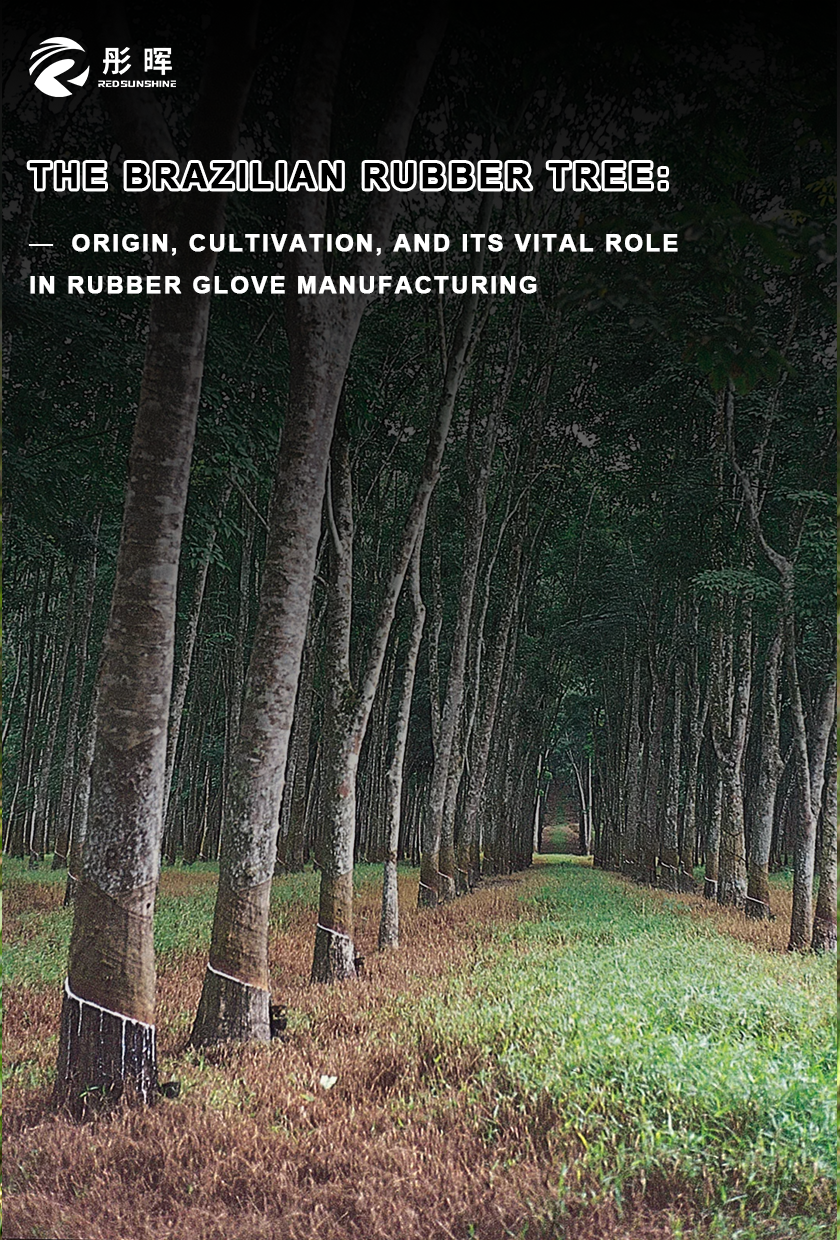
Introduction to the Brazilian Rubber Tree (Hevea brasiliensis) and Its Role in Glove Manufacturing
Overview The Brazilian rubber tree, Hevea brasiliensis, is the world’s most important cultivated species for natural rubber production. Originating from the Amazon basin, this tree is prized for its high latex yield, durable rubber quality, and ease of tapping. As a vital industrial crop, natural...Read more -
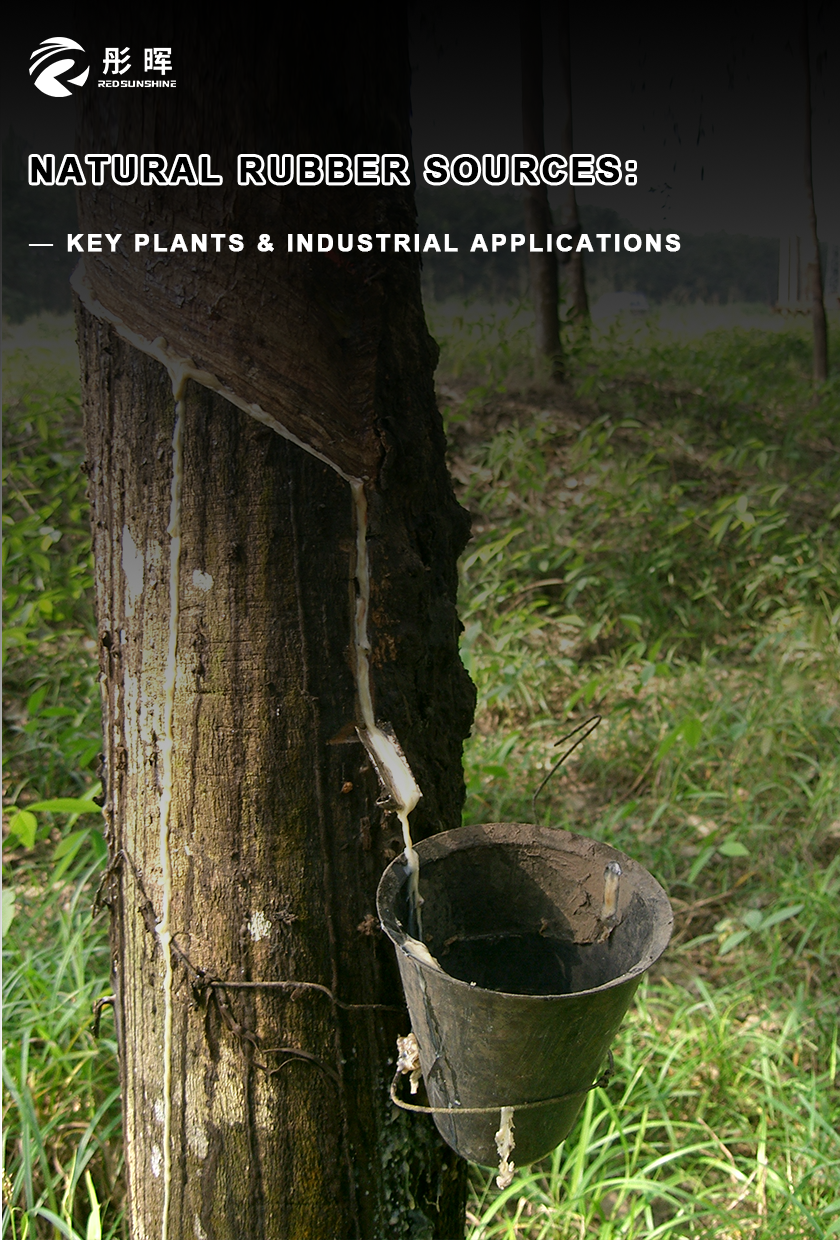
Natural Rubber Sources: Key Plants & Industrial Applications
While modern industry relies heavily on synthetic materials, natural rubber remains irreplaceable in countless applications – from medical gloves to industrial seals. But have you ever wondered where this versatile material originates? Let’s explore nature’s rubber factories: the extr...Read more -
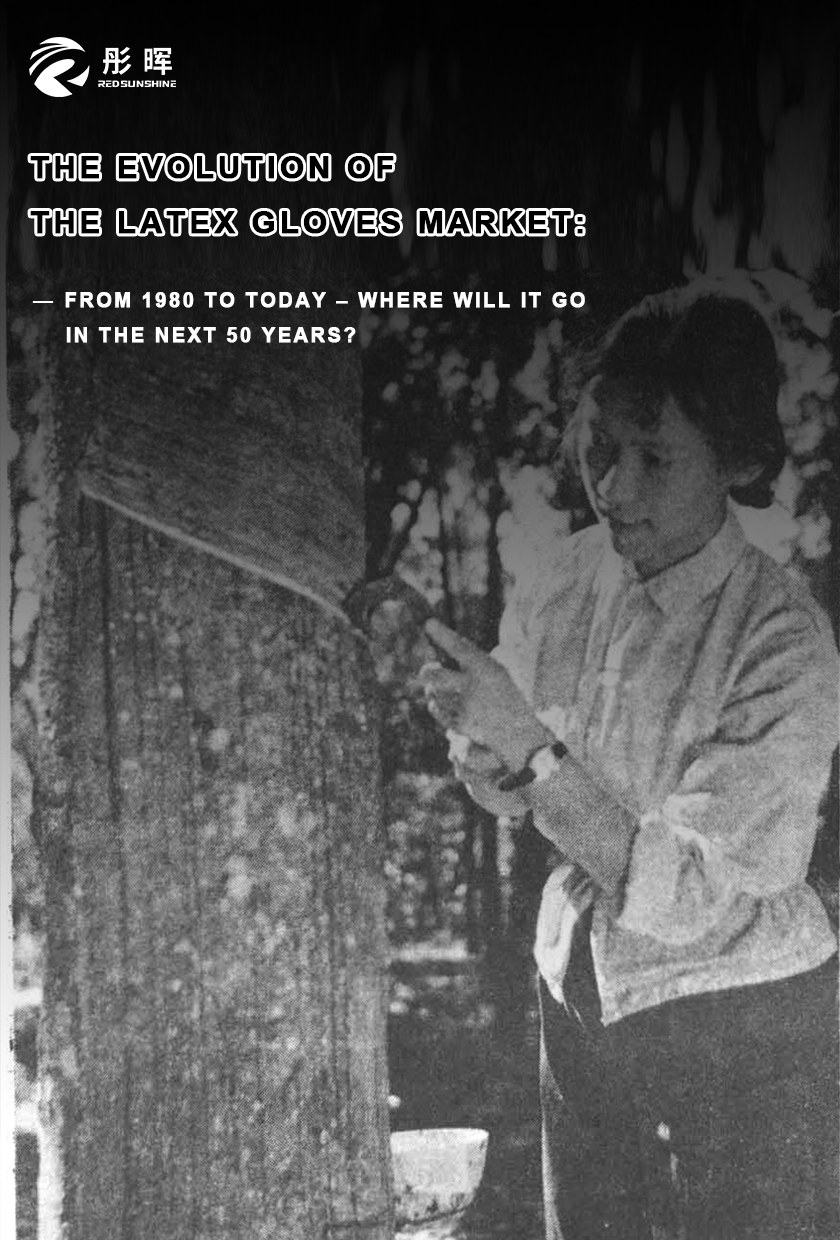
The Evolution of the Latex Gloves Market: From 1980 to Today – Where Will It Go in the Next 50 Years?
Introduction: Latex gloves have been a cornerstone of hygiene and safety across industries for decades. From humble beginnings in medical settings to their ubiquitous presence in households and factories today, this market has undergone transformative shifts. As a leading manufacturer of househol...Read more -
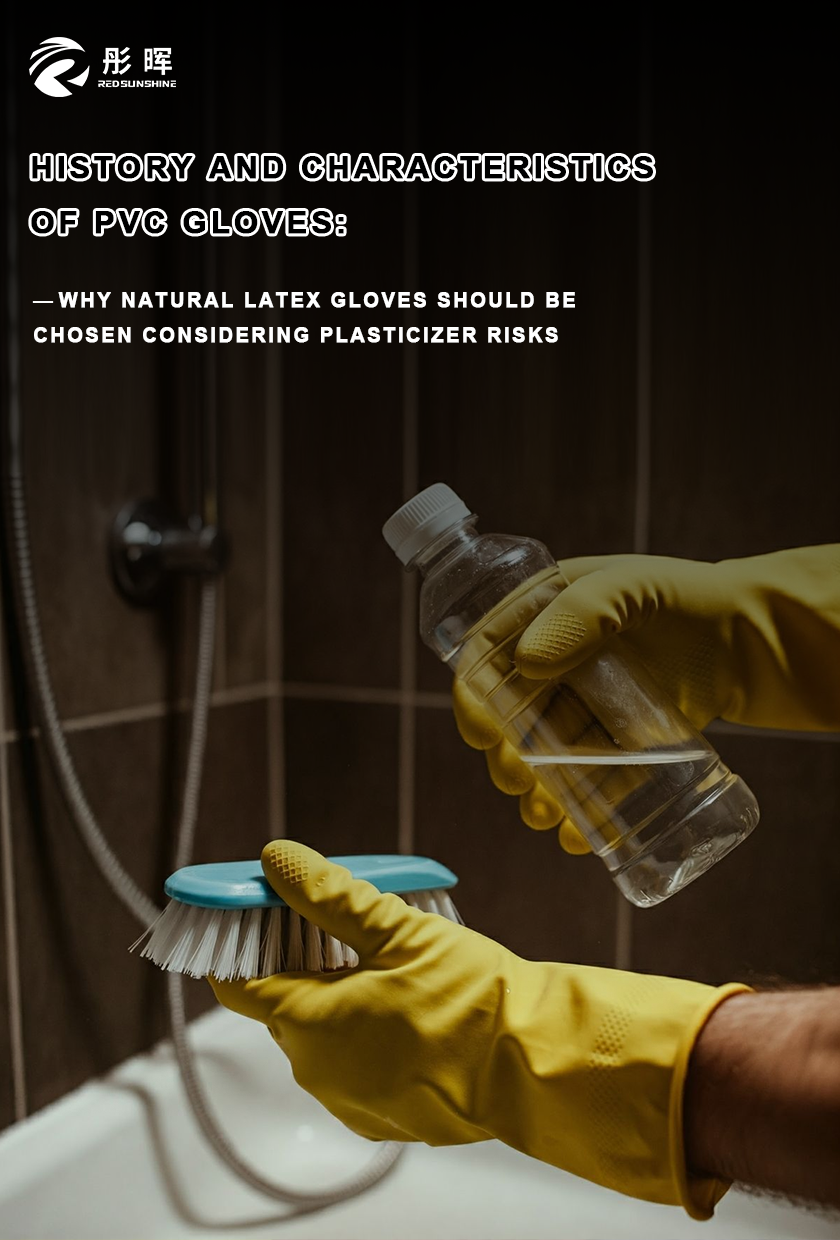
History and Characteristics of PVC Gloves: Why Natural Latex Gloves Should Be Chosen Considering Plasticizer Risks
Introduction: Are Your Daily Gloves Truly Safe? In food service, processing, and healthcare environments, gloves are essential protective equipment. When purchasing disposable gloves at supermarkets or convenience stores, PVC (Polyvinyl Chloride) gloves are among the most common options. However,...Read more -
Green Guardianship: The Environmental Miracle of Carbon-Neutral Latex Glove Industry
When we put on clean and flexible latex gloves, few consider the green transformation story behind them. In reality, latex gloves not only protect our health but also uniquely contribute to carbon neutrality goals. This journey begins with rubber trees basking in tropical sunlight. Natural Carbon...Read more -
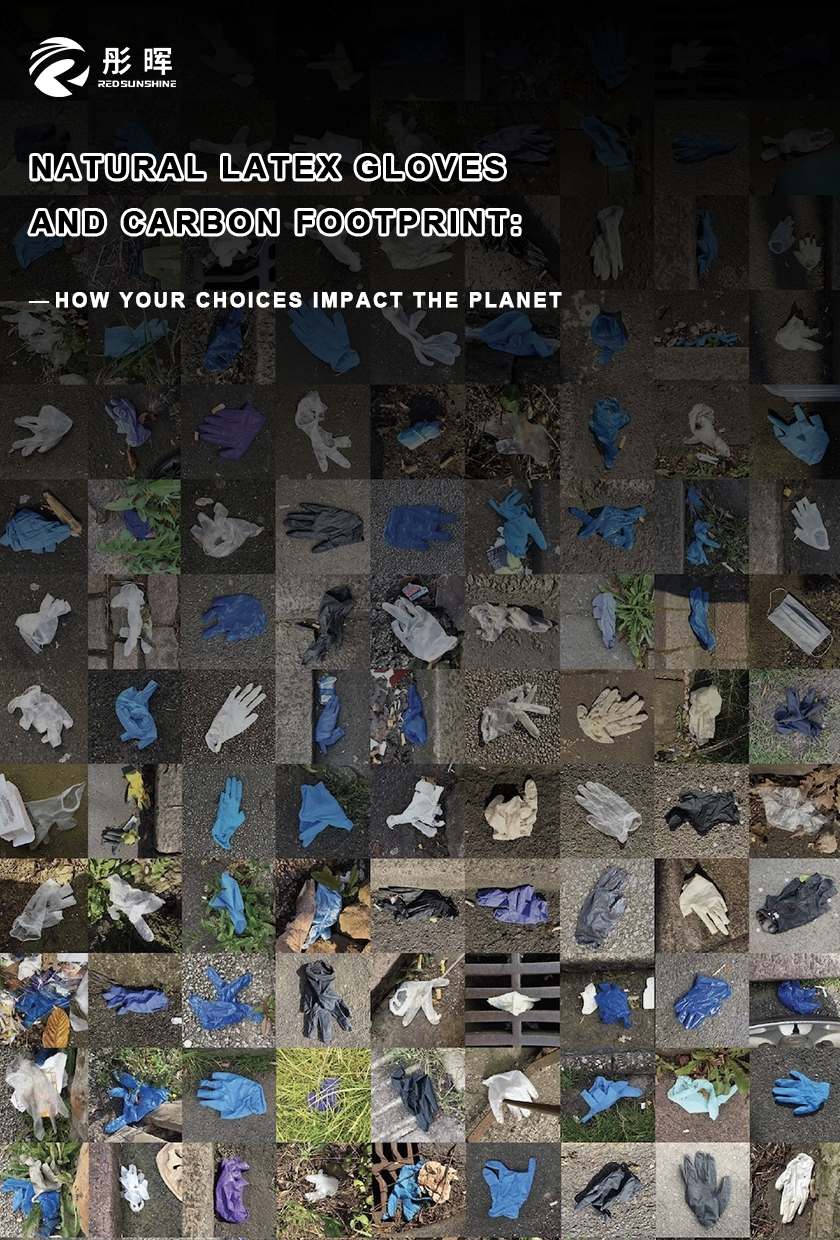
Natural Latex Gloves and Carbon Footprint : How Your Choices Impact the Planet
Preface: Are Our Gloves Truly Eco-Friendly? When you see chefs wearing disposable gloves in restaurants or food processing workers handling ingredients, have you ever considered the environmental impact of these gloves throughout their lifecycle – from production to disposal? In today’...Read more -
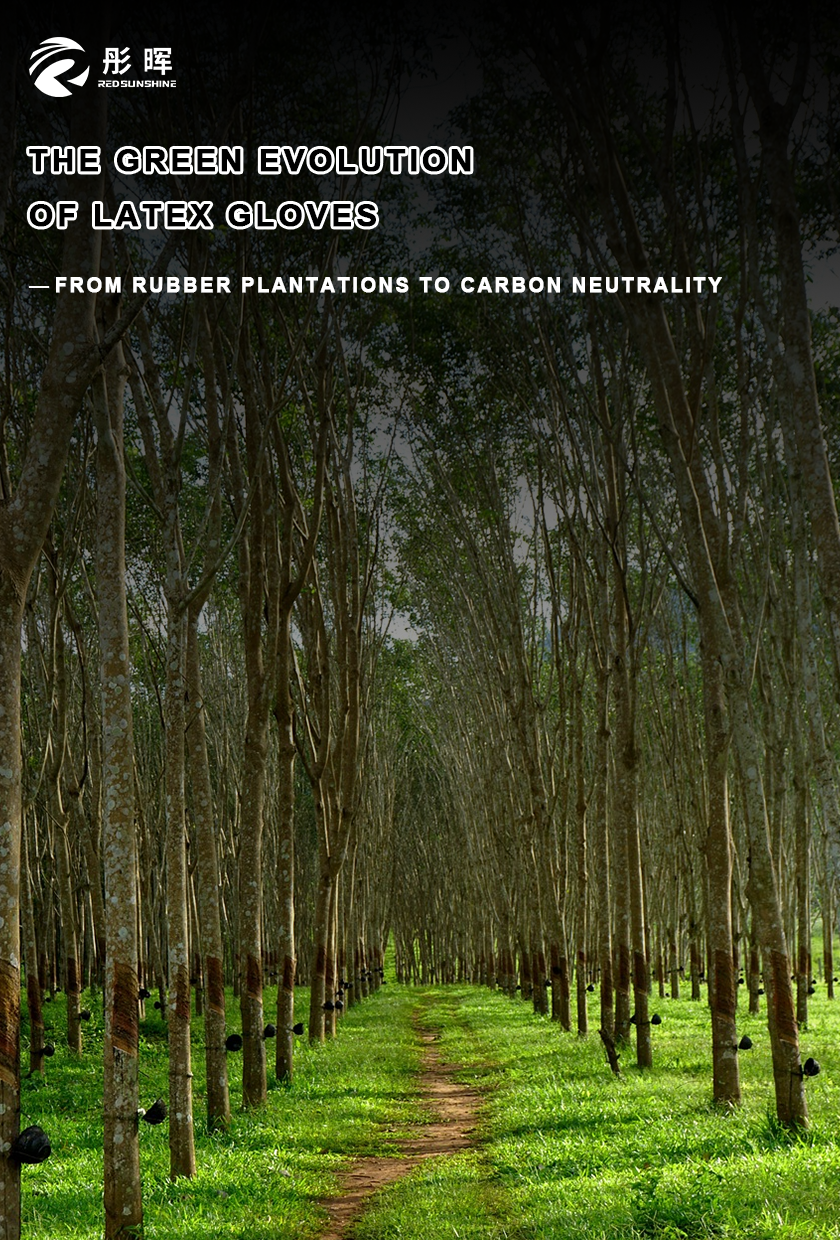
The Green Evolution of Latex Gloves: From Rubber Plantations to Carbon Neutrality
In our daily lives, latex gloves might appear as simple protective gear commonly seen in hospitals, restaurants, and laboratories. However, a deeper exploration reveals this industry is quietly becoming a significant driver in achieving carbon neutrality goals. From the vast rubber plantations of...Read more -
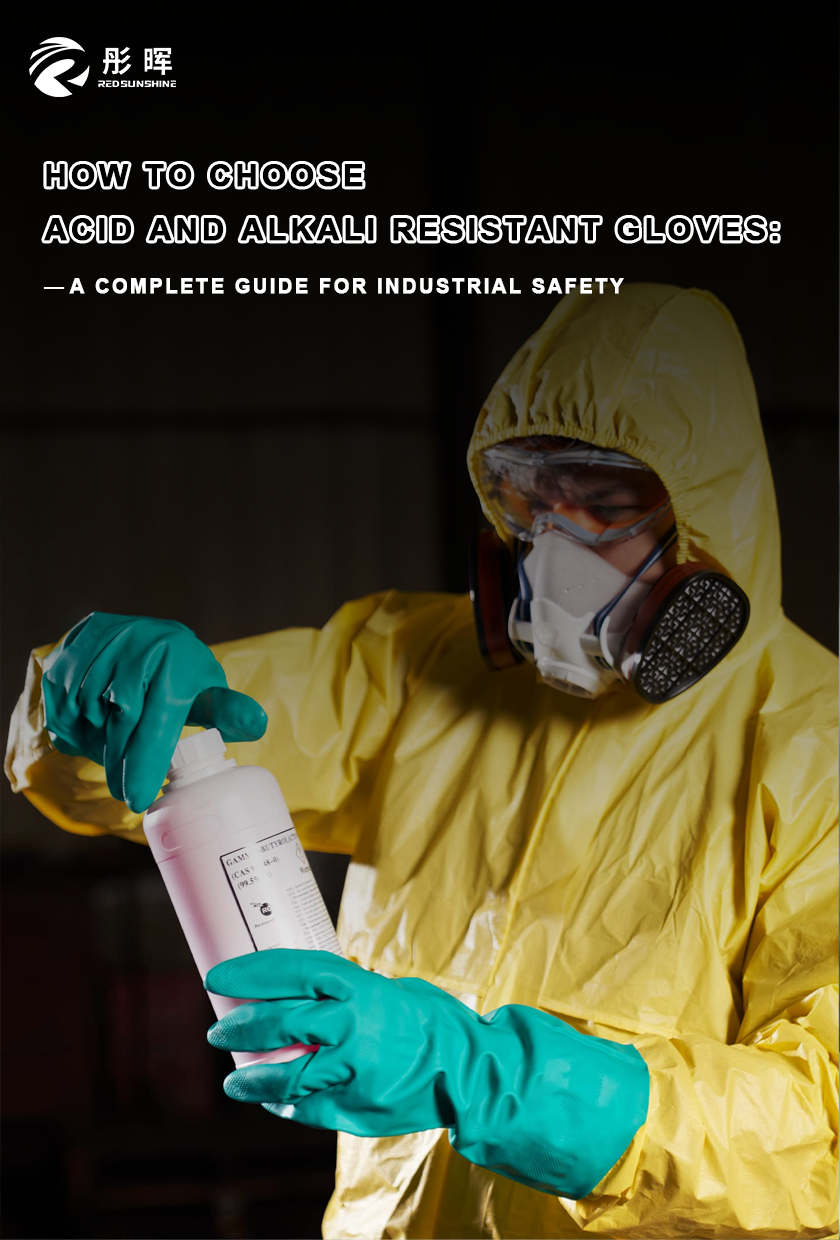
How to Choose Acid and Alkali Resistant Gloves: A Complete Guide for Industrial Safety
1. Understanding Chemical Exposure 1.1 Acid Types & Protection Requirements Strong Acids (pH <2): Sulfuric acid, Hydrochloric acid, Nitric acid Critical Protection Needed: Neoprene (Chloroprene) > Nitrile > Natural Rubber blends Weak Acids (pH 2-6): Carbonic acid, Acetic acid Optima...Read more -

Selecting Optimal PPE Gloves for Pharmaceutical Applications?
— Essential Considerations for Safety and Regulatory Compliance When considering the best type of glove PPE for the pharmaceutical industry, several factors come into play, including chemical resistance, dexterity, durability, and compliance with industry standards. Let’s delve into ...Read more -

Laboratory Personal Safety Protection: Selection of Chemical Protective Gloves
The so-called chemical protective gloves are to form an effective barrier between the hands and the chemical reagents used in the experiment to protect the hands from the harm of chemical reagents. There are various types of reagents used in chemical experiments, and ...Read more -
Natural Rubber Prices Spike, Now Facing Correction
Natural Rubber Prices Surge but Face Correction Since September, natural rubber prices have risen sharply, reaching their highest level since March 2017. This price increase was driven by strong external macroeconomic sentiment and favorable market conditions. However, prices have recently starte...Read more -
The price of natural rubber hits a five-year high
Summary: Recently, the price of natural rubber has reached a five-year high, driven by a combination of climate anomalies, policy changes, and market demand. The El Niño phenomenon has caused droughts and high temperatures, significantly impacting rubber production, while the EU’s zero-def...Read more